

Frequently Asked Questions

What is the TRC?
The Truth and Reconciliation Commission is a government-established body in Korea investigating human rights violations and historical events from 1910 to 1993. It investigates a wide range of issues including violations during the Japanese occupation, North Korean refugee status, and various human rights concerns. One area of focus for the TRC is human rights violations during the Korean military dictatorship from the end of the Korean War until 1993.
How is the TRC’s work related to adoption?
International adoptions were historically used as a means of ethnic cleansing, targeting mixed-ethnic children, disabled individuals, children of unmarried mothers, and political dissidents.
Can more adoptees submit cases to the TRC?
No, the deadline for submitting cases was 9 December 2022. If you would like to speak with us about irregularities or violations in your adoption process, please contact us.
What is the scope of the investigation?
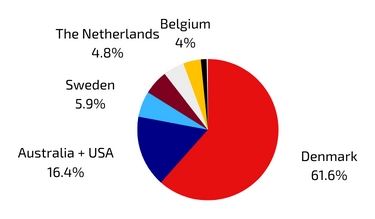
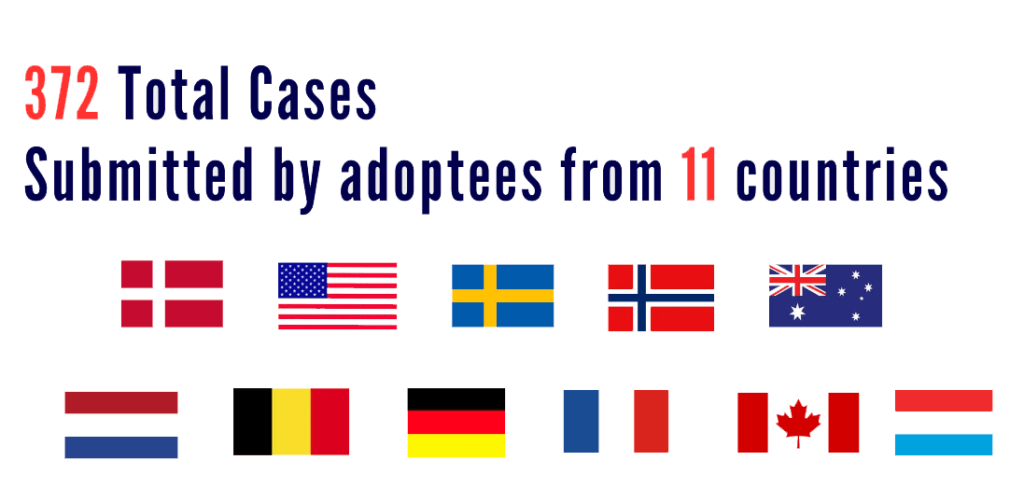
Three adoptee rights groups, including the AUSKRG, have filed a total of nearly 400 cases, highlighting 56 recurring patterns of human rights violations. These individual cases are indicative of widespread, systematic issues in Korea’s overseas adoption system.
What is the status of the investigation?
The TRC has initiated investigations into 271 of the total claims submitted. The Commission’s inquiry involves adoptees from 11 countries through Holt, Social Welfare Service, Korean Social Services (KSS) and Eastern Social Welfare Society adoption agencies.
The Commission, which is reviewing the applications in the order they were submitted, is likely to investigate the remaining 101 cases too, according to officials.
What do we hope to achieve?
AUSKRG would like a full scale investigation of international adoption cases from Eastern and the role of the Korean government during the authoritarian period. In addition to accountability for human rights violations, we hope to achieve the following:
- Access to adoptees’ original documents and the release of Eastern’s records in their totality to the National Center for the Rights of the Child (NCRC)
- Government and public recognition of all four adoption agencies’ practices and the role of the State during the authoritarian period
- Establishment of an adoptee-owned and led services center in Seoul
AUSKRG will continue to work with our partner organizations to address systemic issues within the adoption industry and support those who are advocating for change.
 Australia | United States Korean Rights Group
You must be logged in to post a comment.